
Minimally Invasive Gynecological Surgery
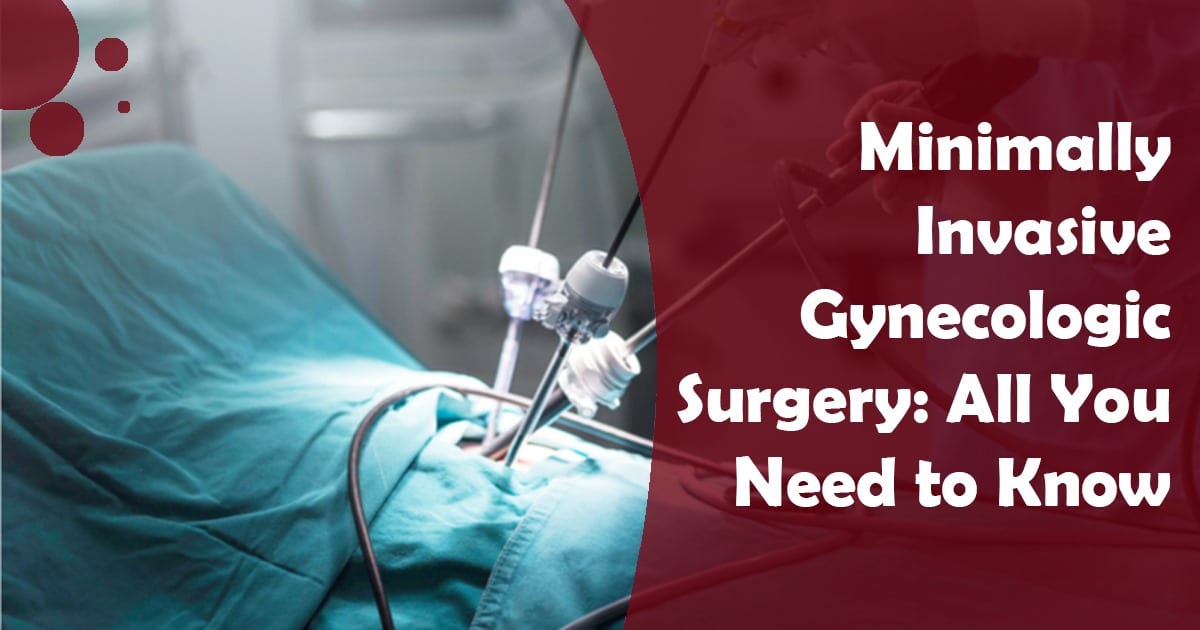
Minimally Invasive Gynecological Surgery in Bhopal
Modern medicine has transformed the way gynecological conditions are treated. Today, many surgeries that once required large cuts and long hospital stays can now be performed with minimal discomfort. This approach is known as Minimally Invasive Gynecological Surgery in Bhopal, and it focuses on safer procedures, quicker healing, and better overall outcomes.
At Laparoscopic Gynaecological Surgery Bhopal, Dr. Maneesha Shrivastava, a senior laparoscopic gynaecologist with 22+ years of experience, offers advanced surgical care using modern techniques. Her approach is centered on patient comfort, clear communication, and long-term health.
What is Minimally Invasive Gynecological Surgery?
Minimally invasive gynecological surgery refers to procedures performed using very small incisions instead of large cuts. These surgeries use specialized instruments and cameras to treat conditions inside the body with high precision.
In simple terms, instead of opening the abdomen, the surgeon operates through tiny openings. This means less trauma to the body, reduced pain, and faster recovery.
Because of these advantages, many women today prefer Minimally Invasive Gynecological Surgery in Bhopal for treating various gynecological conditions safely and effectively.
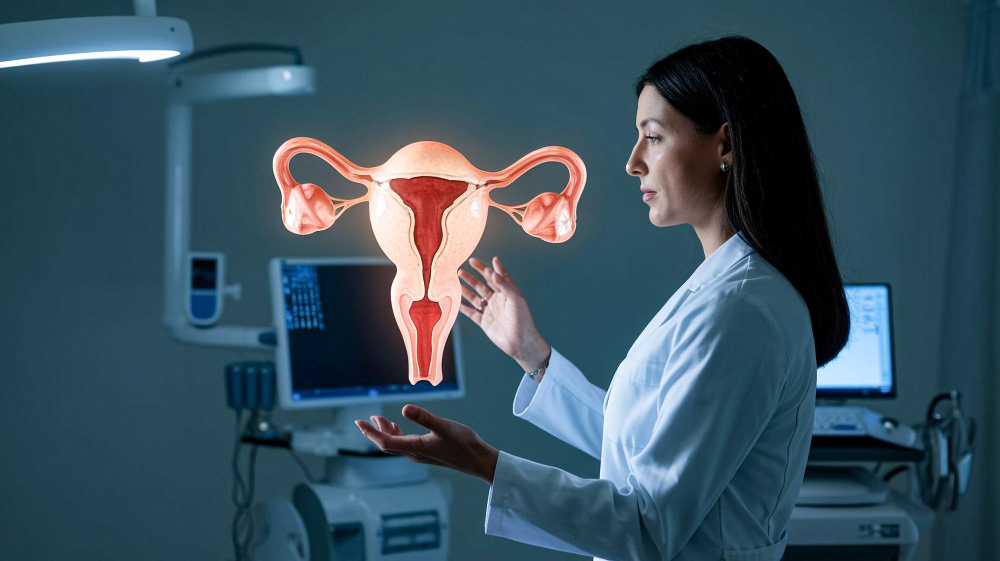
How is Minimally Invasive Surgery Different from Open Surgery?
Traditional open surgery involves larger incisions, which often leads to more pain and longer recovery time. However, minimally invasive techniques have changed this approach significantly.
In minimally invasive procedures, the incisions are very small. Therefore, the body heals faster, and patients experience less discomfort. Moreover, the risk of infection and complications is lower.
Another important difference is recovery time. While open surgery may require weeks of rest, minimally invasive surgery allows patients to return to their daily routine much sooner. This is why Laparoscopic Gynecological Surgery in Bhopal is becoming the preferred choice for many women.
Clinic Services
Clinic Services
Types of Minimally Invasive Gynecological Procedures
Laparoscopic Surgery
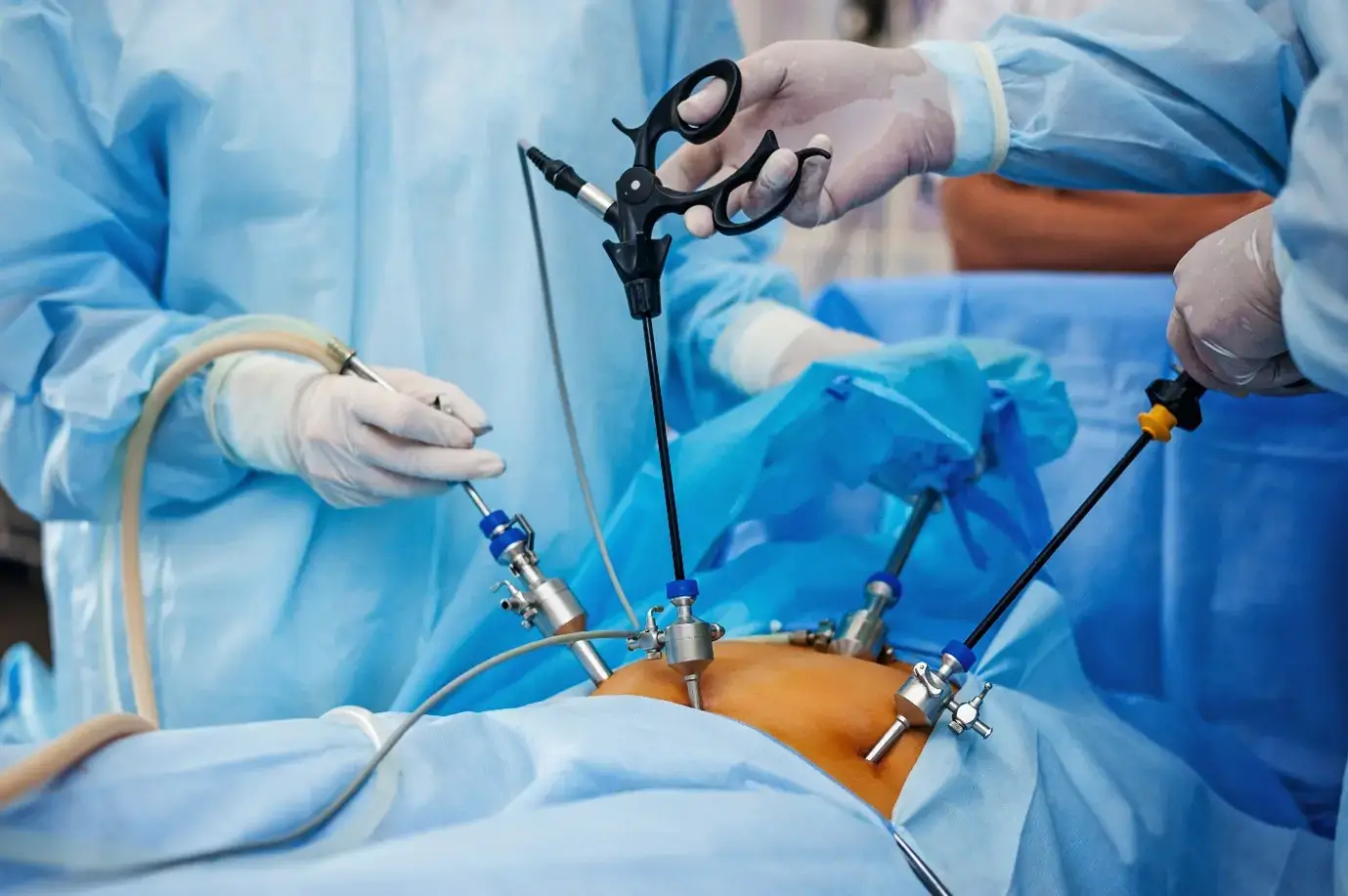
Laparoscopic surgery is one of the most commonly used techniques. A small camera is inserted through a tiny incision, allowing the surgeon to view the internal organs on a screen.
This method is widely used in Laparoscopic Gynecological Surgery in Bhopal because it offers precision and safety.
Hysteroscopy
Hysteroscopy is another minimally invasive procedure used to examine and treat conditions inside the uterus. It does not require any cuts, as the instrument is inserted through the natural opening.
This technique is especially useful for diagnosing and treating problems like polyps or submucosal fibroids.
Advanced 3D Laparoscopy
With advancements in technology, 3D Laparoscopic Surgery in Bhopal provides even better visualization. It allows the surgeon to see depth and detail more clearly, which improves accuracy during complex procedures.
As a result, surgeries become safer and outcomes are more effective.
Benefits of Minimally Invasive Gynecological Surgery
One of the biggest advantages of minimally invasive surgery is patient comfort. Since the incisions are small, there is significantly less pain after the procedure.
In addition, scars are minimal and often barely visible. Patients usually have a shorter hospital stay and can return to normal activities much faster.
Moreover, these procedures reduce blood loss and lower the risk of complications. Therefore, many women prefer Advanced Gynecological Surgery in Bhopal using minimally invasive techniques.
Why Choose Dr. Maneesha Shrivastava for Minimally Invasive Gynecological Surgery in Bhopal?
When it comes to surgical care, experience and trust matter the most. Dr. Maneesha Shrivastava is widely recognized as one of the Best Laparoscopic Gynaecologists in Bhopal, with over 22+ years of experience.
She specializes in advanced laparoscopic and minimally invasive procedures, ensuring high success rates even in complex cases.
Her approach is patient-centered. She takes time to explain every step of the treatment, which helps patients feel confident and relaxed.
At Laparoscopic Gynaecological Surgery Bhopal, patients receive a combination of expertise, technology, and compassionate care.
Recovery After Minimally Invasive Surgery
Recovery after minimally invasive surgery is usually smooth and quick. Most patients can walk within a few hours and resume light activities within a few days.
Because the incisions are small, healing happens faster. In addition, pain is minimal and manageable with simple medications.
Follow-up visits are important to ensure proper recovery. Gradually, patients return to their normal routine without major restrictions.
Frequently Asked Questions (FAQs)
It is a modern surgical approach that uses small incisions and advanced instruments to treat gynecological conditions. Many women choose Minimally Invasive Gynecological Surgery in Bhopal because it offers less pain, faster recovery, and better results compared to traditional surgery.
Yes, laparoscopic surgery is very safe when performed by an experienced specialist. It involves minimal risk, reduced bleeding, and quicker healing, making it a preferred option for many patients.
Recovery is usually quick. Most patients can return to normal activities within a few days to a couple of weeks. This makes Minimally Invasive Gynecological Surgery in Bhopal a convenient and effective treatment option.
Dr. Maneesha Shrivastava is considered one of the most experienced specialists, known for her expertise in laparoscopic and minimally invasive gynecological procedures.
You can visit Laparoscopic Gynaecological Surgery Bhopal, where advanced technology and expert care are available for safe and effective Minimally Invasive Gynecological Surgery in Bhopal.